Trusted
PROVEN TRACK RECORD
Reliable
REGIONAL SUPPLIER
Specialised
GLOBAL EXPERTISE
Get in Touch

I-Cover™ Furnace Seals – Advanced Insulation for Maximum Efficiency

I-Cover™ Furnace Seals – Advanced Insulation for Maximum Efficiency

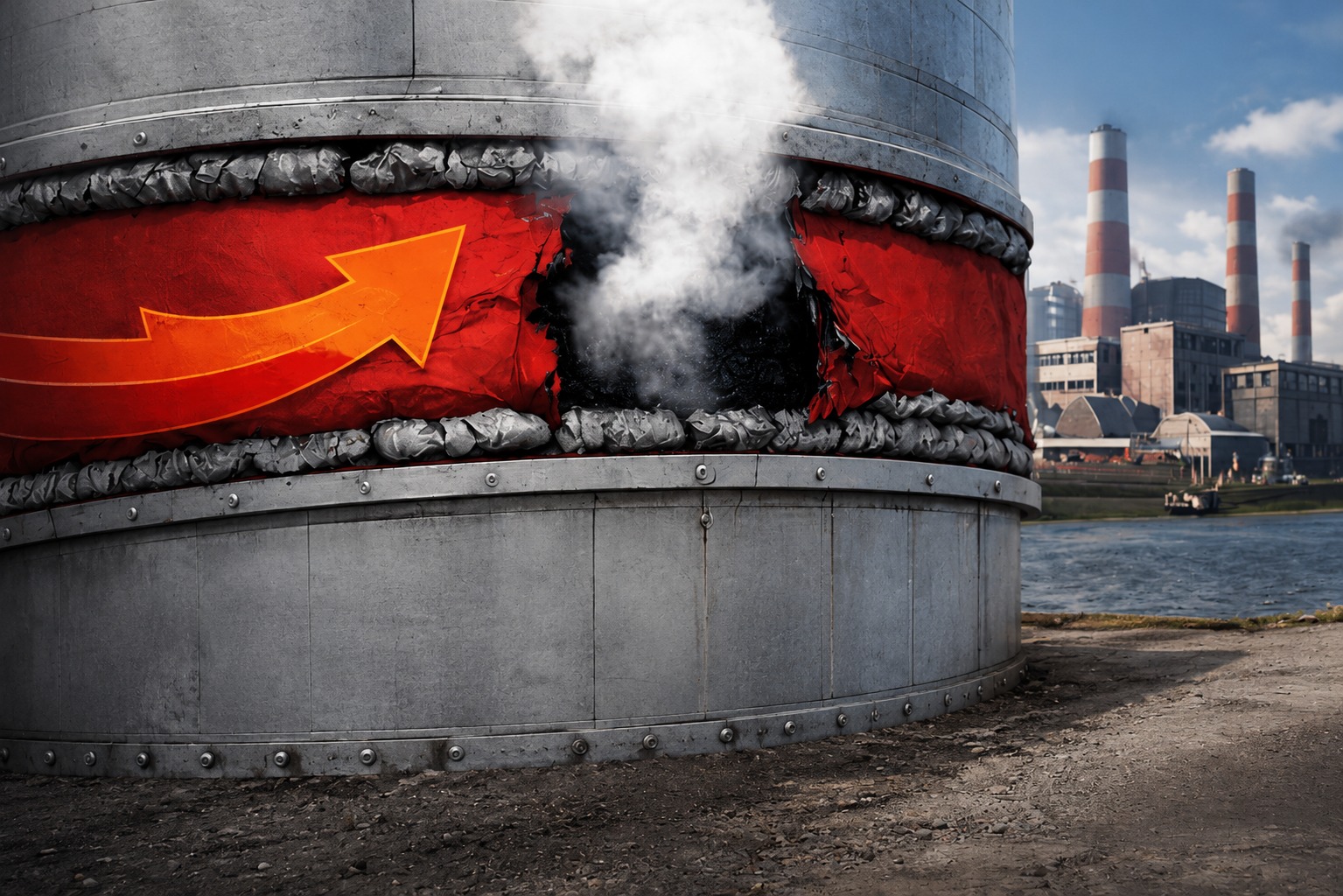
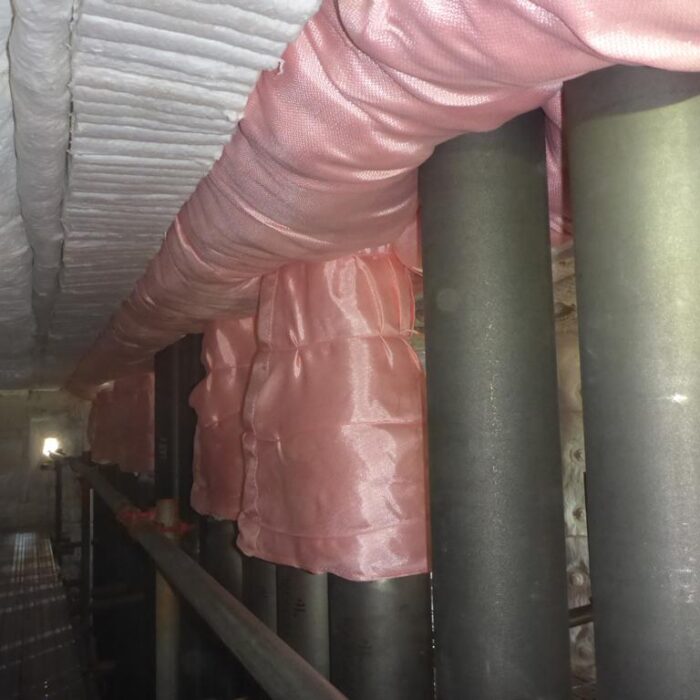
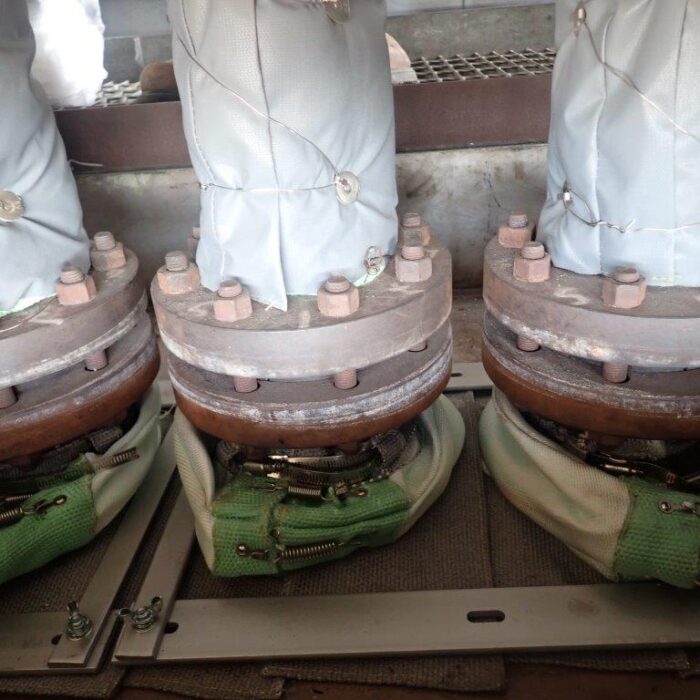
I-Cover™ Furnace Seals are designed and fabricated to seal the gaps between individual tube penetrations through the wall or the roof of fired heater systems. 

They prevent cold air ingress through the resultant gaps and at the same time are flexible enough to absorb tube or header movements that are expected between cold (shut down) and hot conditions. 

As a result, quilted sleeves prevent the phenomenon of metal dusting or catastrophic carburization caused by thermal quenching on the tubes. 

These I-Cover™ Tube Sleeves are made of high-temperature resistant cloths which can withstand temperatures up to 900°C and are tailor-made with respect to site conditions and specifications to ensure a perfect fit every time. 

What is a Furnace?

A furnace is an industrial heating system designed to generate and sustain high temperatures for processes such as petrochemical processing, metal refining, and power generation. Furnaces operate by burning fuels (natural gas, oil, coal) or using electrical heating elements to produce heat for various industrial applications. 

Air Ingress in Furnaces – Why It’s a Problem??

Air ingress, also referred to as tramp air, is entry of ambient air into a furnace or high-temperature system that does not take part in combustion, leading to disruption of combustion efficiency, increasing fuel consumption, and reducing overall performance. This occurs due to gaps, cracks, or poorly sealed components. This phenomenon is common in industrial furnaces operating under negative pressure, such as crude distillation furnaces, reformer furnaces, and boilers.  

Fired heat tubes using conventional insulation face sagging issue before installing I-Cover

Effects of Air Ingress:

  • Reduced Furnace Efficiency – Uncontrolled air entry lowers furnace temperatures, affecting process stability.
  • Increased Fuel Consumption – More fuel is required to compensate for heat loss caused by excess air.
  • Oxidation & Equipment Damage – Excess oxygen promotes oxidation and scaling, reducing the lifespan of furnace components.
  • Unbalanced Combustion – Alters the air-to-fuel ratio, leading to incomplete combustion and increased emissions.

Why Does Furnace Efficiency Matter?

Efficient furnaces reduce fuel consumption, lower operating costs, and extend equipment lifespan while maintaining optimal process performance. Proper insulation and sealing ensure maximum heat retention, stable combustion, and consistent output quality.  

 Cost Savings
  • Reduced Fuel Consumption
  • Lower Operational Cost
  • Increased Capacity and Throughput
Environmental Benefits
  • Reduced Emissions
  • Lower Carbon Footprint
Operational Performance
  • Reduced Downtime
  • Increased Reliability
  • Improved Product Quality

I-Cover™ Tube Sleeves Design and Installation

In order to design and fabricate I-Cover Furnace Seals that align with our clients’ requirements, we require details such as: 

  • Process temperature
  • Cold surface temperature
  • Diameter of tubes
  • Minimum and maximum movement of tubes

These details are essential for ensuring optimal design and fabrication in our factories before shipping the final product to our clients. 
What Do We Offer?

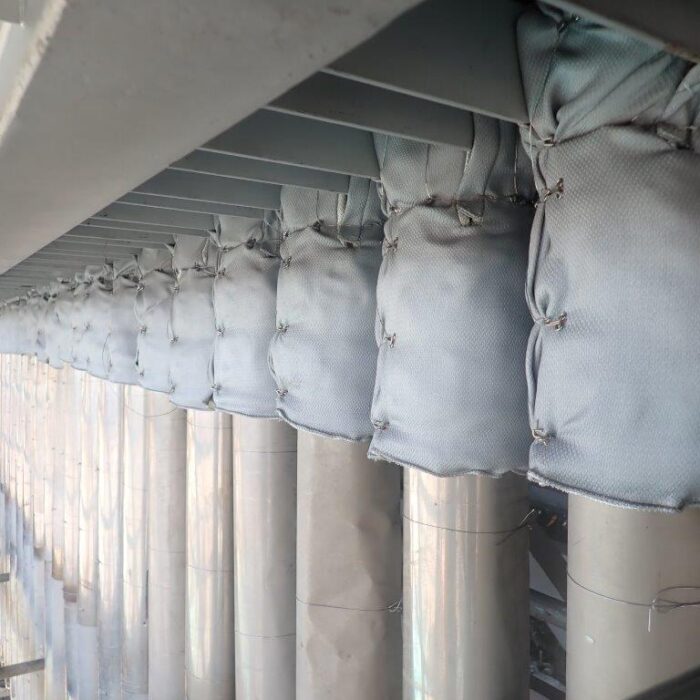
Multi-Tube Bellows

3M™ Nextel™ Multitube Bellows installed on Ethylene Cracker Furnace

Expandable seals for multi-tube connections, allowing movement without heat loss. 
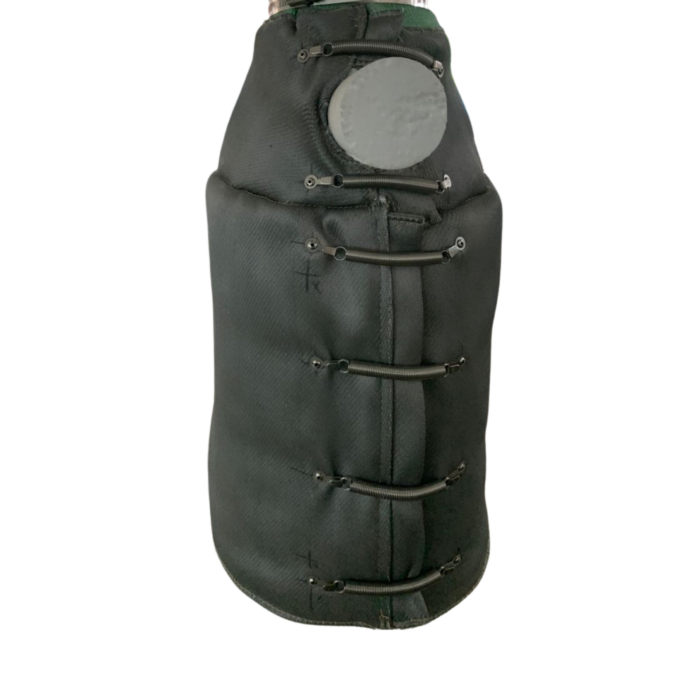
Outlet Quilted Sleeves

Removable Insulation Jacket I-Cover installed on outlet tubes

Flexible high-temperature fabric seals for piping and duct outlets. 
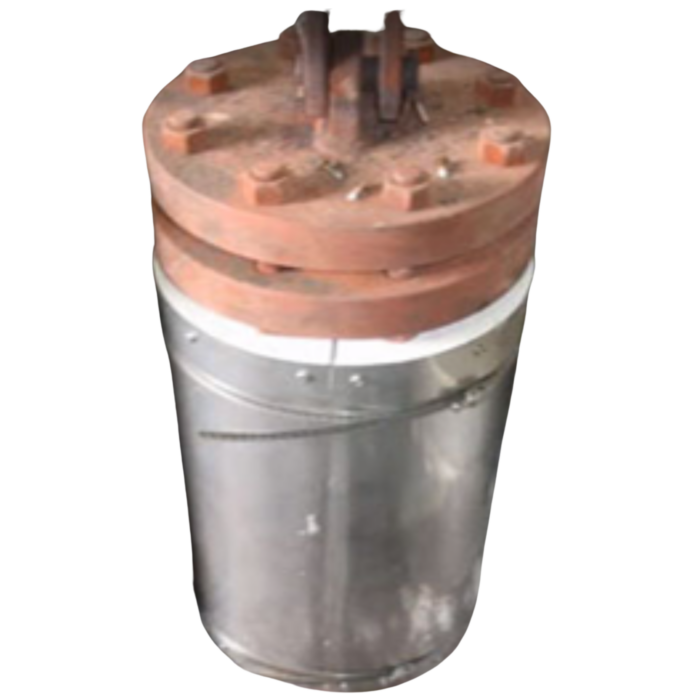
Extendable sleeves

Removable Insulation Jacket Quilted Sleeve

Accommodates thermal expansion while preventing heat leaks. 
Inlet & Outlet Tube Sealing

Ensures airtight insulation around high-temperature gas flow points. 

I-Cover™ - Specifications

Key Benefits of I-Cover™ for Furnace Seals:

I-Cover™  offers custom-designed insulation for inlet/outlet tubes, expansion joints, and multi-tube configurations, effectively preventing leaks and heat loss. It creates an airtight thermal barrier to maintain consistent furnace temperatures, enhances combustion stability by blocking excess oxygen intake, and reduces oxidation, uneven heating, and thermal inefficiencies. I-Cover™  also absorbs extreme axial and lateral movements, protects against thermal stress and premature wear, improves equipment reliability, and minimizes maintenance and downtime. Its easy installation and removal further reduce plant downtime.

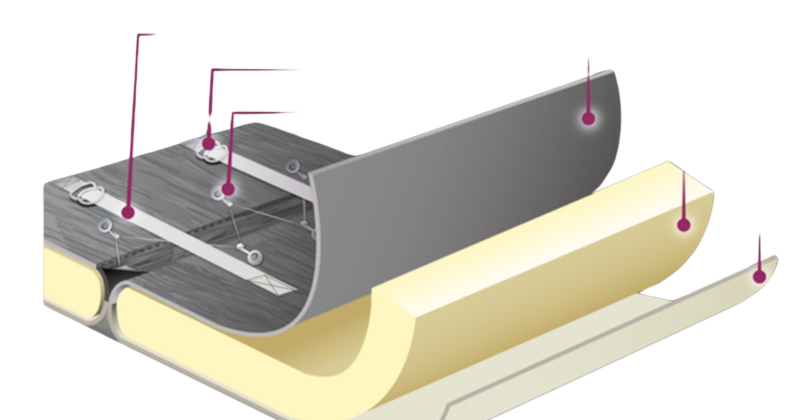
 

Key Features of I-Cover™ for Furnace Seals:

How Does KLAY's I-Cover™ Improve Efficiency?

Klay’s I-Cover Furnace Seals eliminate air ingress and retain heat in critical furnace zones, maintaining a stable environment, enhancing combustion efficiency, and reducing fuel consumption. Made from high-temperature-resistant fabrics (up to 900°C) and featuring flexible designs like quilted sleeves, telescopic seals, and bellows, they absorb extreme axial movements and thermal expansion. Easy to install and remove, they lower maintenance needs, extend equipment life, minimize energy loss, and support long-term operational efficiency.


Target Applications

Steam Methane Reformers (SMR)

Cracking Furnaces

Process Heaters

Boilers & Heat Exchangers

Protect your furnace from air ingress with Klay’s high-performance insulation solutions!
KLAY EnerSol

Read more on Sealing Gaps on Reformer Furnaces and Boilers

Read more blogs

Why Passive Fire Protection Jackets Are Ideal for FPSO FacilitiesFloating Production Storage and Offloading (FPSO) facilities operate in some of the world’s most demanding environments. Beyond harsh weather and corrosive conditions, operators must also prepare for the possibility of hydrocarbon fires that can threaten critical process equipment and, ultimately, the safety of personnel and the...
Continue Reading
Thermal Insulation Contractor for Industrial Projects
How to Choose the Best Thermal Insulation Contractor for Industrial ProjectsIndustrial facilities such as oil & gas refineries, petrochemical plants, power stations, manufacturing facilities, LNG terminals, and offshore platforms require reliable insulation systems to improve energy efficiency, reduce operating costs, and enhance workplace safety. Choosing the right Thermal Insulation Contractor is one of the most...
Continue Reading
Online Hotspot Repair: The Dos and Don’ts of Managing Industrial HotspotsIn industrial facilities, a hotspot is often more than a surface issue. It may indicate damage to the internal insulation, refractory, or ceramic fibre lining, creating safety, equipment, and operational risks.Online Hotspot Repair offers a practical way to assess and repair the affected area while...
Continue Reading
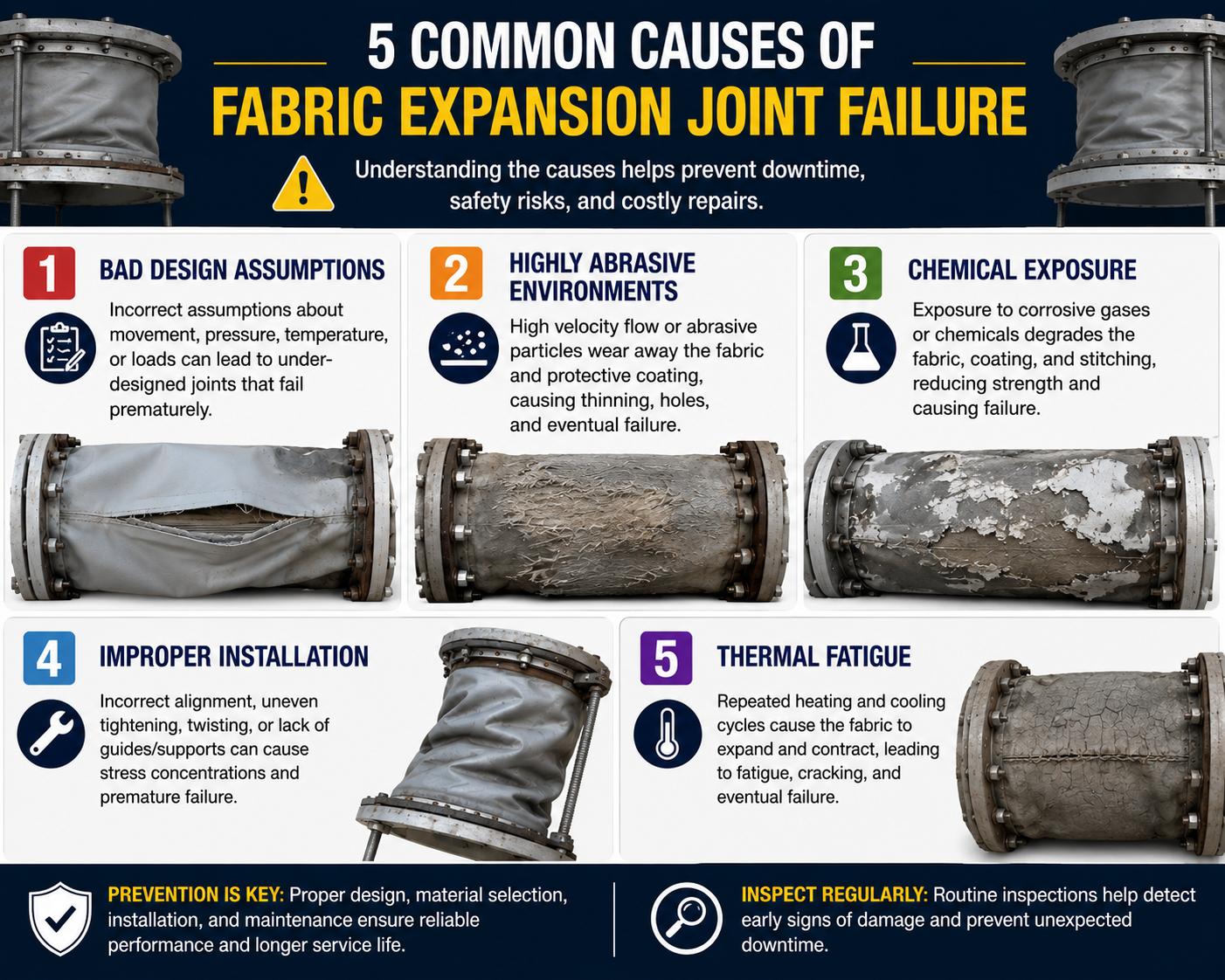
What Causes Fabric Expansion Joint Failures in Industrial Applications? In many industrial facilities across Indonesia, Malaysia, and Singapore, Fabric Expansion Joints play a critical role in maintaining the integrity of ducting systems, exhaust lines, boilers, power plants, cement facilities, refineries, and process industries. These flexible components are designed to absorb thermal movement, vibration, and mechanical...
Continue Reading
Every piece of equipment has to have a specific set of conditions that must not be exceeded, e.g. furnace tube skin temperatures. Furnaces tube metallurgies are usually selected to ensure the normal operating conditions of the process do not exceed the design limit of the chosen material. Problems usually occur when any tube, or part...
Continue Reading
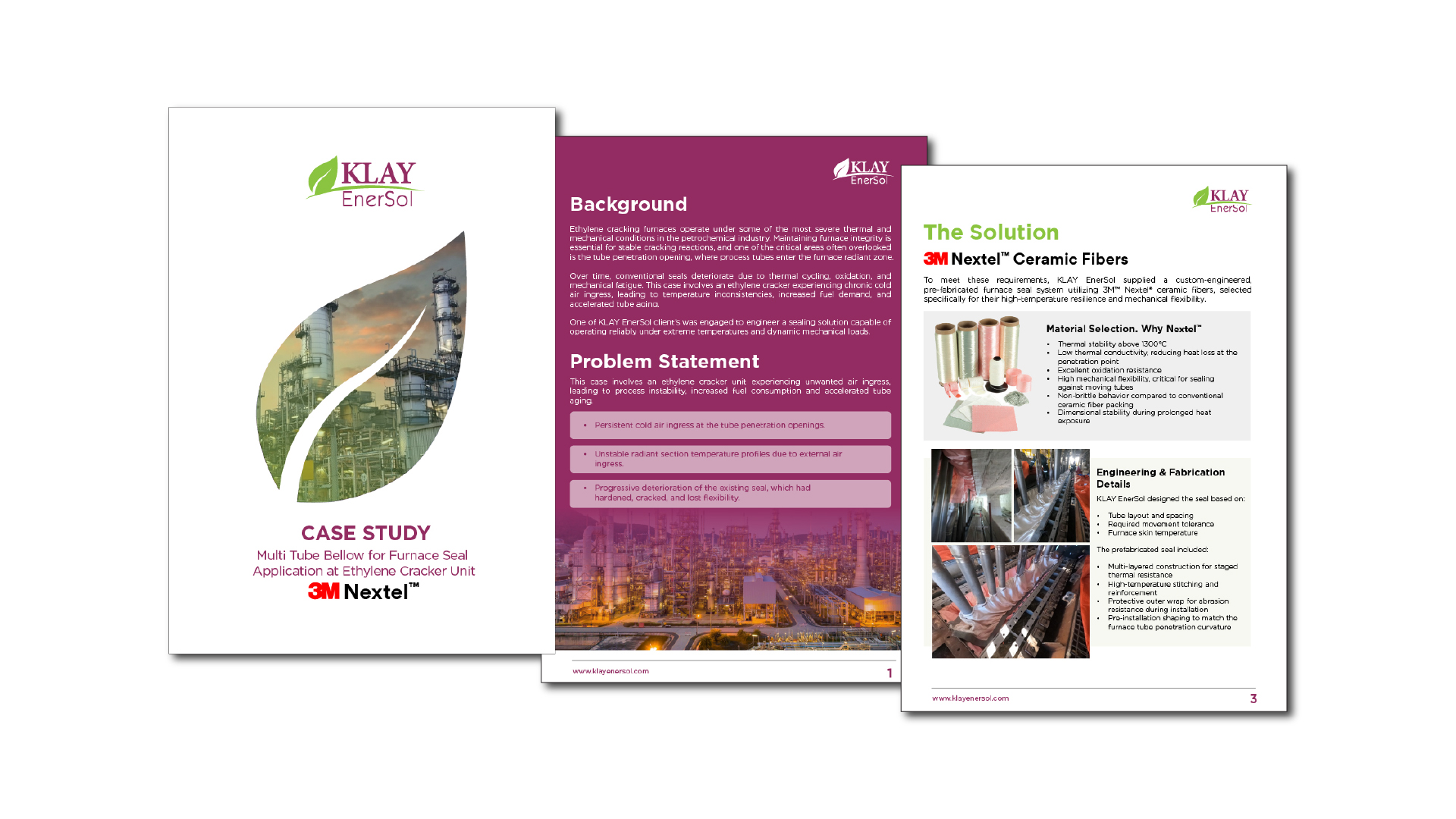
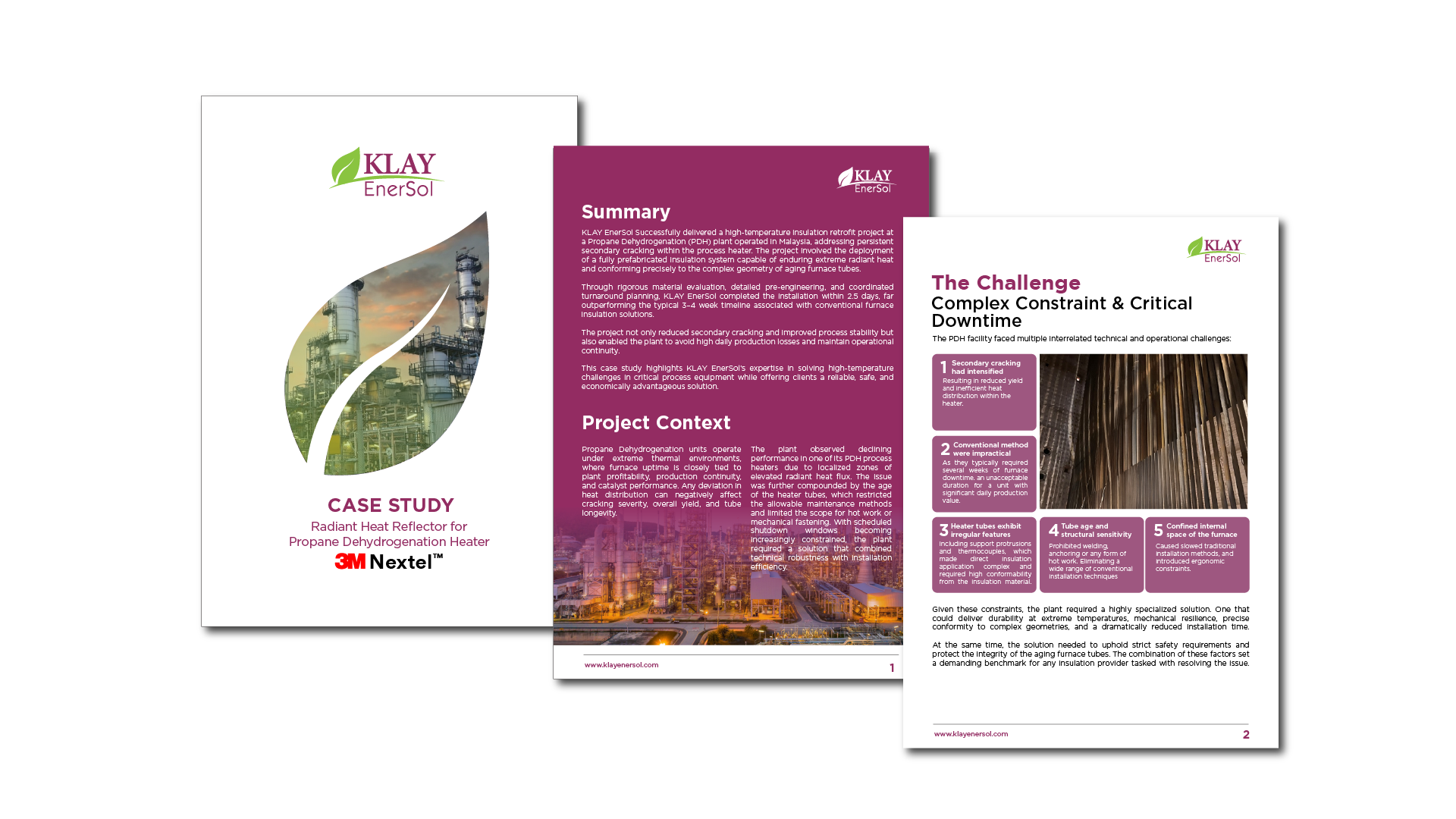
3M Case Study Ethylene
Every piece of equipment has to have a specific set of conditions that must not be exceeded, e.g. furnace tube skin temperatures. Furnaces tube metallurgies are usually selected to ensure the normal operating conditions of the process do not exceed the design limit of the chosen material. Problems usually occur when any tube, or part...
Continue Reading
3M Nextel Case Study
Every piece of equipment has to have a specific set of conditions that must not be exceeded, e.g. furnace tube skin temperatures. Furnaces tube metallurgies are usually selected to ensure the normal operating conditions of the process do not exceed the design limit of the chosen material. Problems usually occur when any tube, or part...
Continue Reading