How to Choose the Best Thermal Insulation Contractor for Industrial Projects
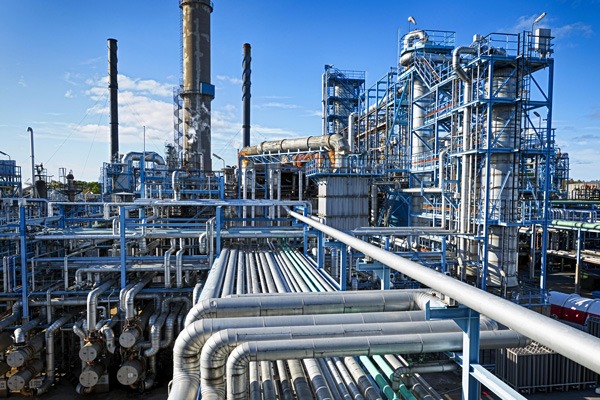
Industrial facilities such as oil & gas refineries, petrochemical plants, power stations, manufacturing facilities, LNG terminals, and offshore platforms require reliable insulation systems to improve energy efficiency, reduce operating costs, and enhance workplace safety. Choosing the right Thermal Insulation Contractor is one of the most important decisions for ensuring long-term operational success.
Whether your project is located in Malaysia, Singapore, or Indonesia, partnering with an experienced Industrial Insulation Contractor ensures your insulation system performs efficiently under demanding industrial conditions. Companies with proven expertise, certified quality standards, and turnkey capabilities deliver better project outcomes while minimizing maintenance costs. (KLAY EnerSol –)
Why Choosing the Right Thermal Insulation Contractor Matters
A professional Thermal Insulation Contractor does much more than install insulation materials. They provide complete engineering support, select suitable insulation systems, ensure compliance with industry standards, and optimize equipment performance.
A qualified contractor helps industries:
- Reduce energy losses
- Improve process efficiency
- Lower maintenance costs
- Protect personnel from high-temperature surfaces
- Prevent Corrosion Under Insulation (CUI)
- Extend equipment lifespan
- Improve environmental sustainability
1. Look for Industry Experience
Industrial insulation projects require specialized engineering knowledge. Always choose an Industrial Insulation Contractor with experience serving industries such as:
- Oil & Gas
- Petrochemical
- LNG
- Power Generation
- Marine
- Offshore Platforms
- Chemical Processing
- Manufacturing Plants
Experienced contractors understand the operational challenges of high-temperature, cryogenic, and corrosive environments.
2. Evaluate Their Range of Industrial Insulation Services
A reliable Industrial Insulation Company should offer complete Industrial Insulation Services rather than only supplying materials.
Look for services including:
- Turnkey Insulation Services
- Engineering & Design
- Material Selection
- Fabrication
- Installation
- Maintenance
- Inspection
- Online Repair Services
Complete project management helps reduce downtime while ensuring quality installation. KLAY EnerSol offers engineering, fabrication, installation, inspection, and maintenance services for industrial facilities across Southeast Asia. (KLAY EnerSol –)
3. Choose a Contractor with High-Performance Insulation Solutions
Every industrial project has unique operating conditions.
A trusted Thermal Insulation Contractor should provide advanced solutions including:
- Aerogel Insulation
- Cryogenic Insulation
- Removable Insulation Covers
- Passive Fire Protection
- Heat Shields
- High Temperature Insulation
- Pipe Insulation
- Equipment Insulation
Selecting the right insulation material significantly improves energy efficiency while reducing heat loss.
4. Check Quality Certifications
Quality certifications demonstrate that the contractor follows internationally recognized management systems.
Look for:
- ISO 9001 Certification
- Safety Standards
- International Installation Practices
- Quality Control Procedures
Certified contractors consistently deliver reliable insulation projects while maintaining safety and compliance. KLAY EnerSol states it operates under ISO 9001:2015 quality management for manufacturing removable insulation jackets and related services. (KLAY EnerSol –)
5. Review Their Project Portfolio
Before hiring an Industrial Insulation Contractor, review their completed projects.
Look for experience with:
- Refineries
- LNG Facilities
- Offshore Platforms
- Boilers
- Process Heaters
- Storage Tanks
- Steam Pipelines
- Manufacturing Plants
A strong project portfolio reflects technical expertise and successful execution across different industries.
6. Regional Experience Matters
Industrial regulations and operating conditions differ across Southeast Asia.
Choose a contractor experienced in:
- Industrial Insulation Malaysia
- Industrial Insulation Singapore
- Industrial Insulation Indonesia
A regional contractor understands local standards, climate conditions, logistics, and project execution requirements, ensuring smoother delivery across multiple countries. KLAY EnerSol focuses its operations on Malaysia, Singapore, Indonesia, and the wider Southeast Asian region. (KLAY EnerSol –)
7. Consider Energy Efficiency Expertise
The primary goal of Thermal Insulation Solutions is improving energy efficiency.
An experienced contractor helps industries:
- Reduce fuel consumption
- Minimize heat loss
- Lower operating costs
- Improve process stability
- Reduce carbon emissions
Better insulation directly contributes to long-term operational savings.
8. Evaluate Maintenance & After-Sales Support
Industrial insulation requires periodic inspections and maintenance.
Choose a contractor offering:
- Inspection Services
- Repair Services
- Preventive Maintenance
- Online Hot Spot Repairs
- Insulation Replacement
- Emergency Support
Long-term service support helps maximize insulation performance throughout the equipment lifecycle.
Why KLAY EnerSol is a Trusted Industrial Insulation Partner
KLAY EnerSol has built a strong reputation by delivering advanced Industrial Insulation Services throughout Malaysia, Singapore, and Indonesia. With expertise in Aerogel Insulation, Cryogenic Insulation, Removable Insulation Covers, passive fire protection, and turnkey project management, the company supports industries including oil & gas, petrochemical, power generation, marine, offshore, and manufacturing.
Their end-to-end capabilities—from engineering and material selection to fabrication, installation, inspection, and maintenance—help customers improve energy efficiency, reduce operational costs, and enhance plant reliability. (KLAY EnerSol –)
Conclusion
Choosing the right Thermal Insulation Contractor is essential for maximizing operational efficiency, improving workplace safety, and reducing long-term maintenance costs. A contractor with proven regional experience, certified quality systems, advanced insulation technologies, and comprehensive Industrial Insulation Services can deliver reliable solutions for complex industrial environments.
For businesses operating in Malaysia, Singapore, and Indonesia, partnering with an experienced Industrial Insulation Contractor ensures sustainable performance, lower energy consumption, and long-term project success.
Tags
- Thermal Insulation Contractor
- Industrial Insulation Contractor
- Industrial Insulation Services
- Industrial Insulation Malaysia
- Industrial Insulation Singapore
- Industrial Insulation Indonesia
- Thermal Insulation Solutions
- Aerogel Insulation
- Cryogenic Insulation
- Turnkey Insulation Services