
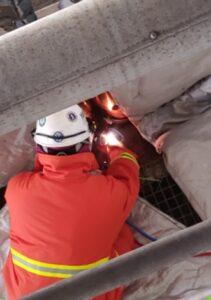
 Online Hotspot Repair: The Dos and Don’ts of Managing Industrial Hotspots
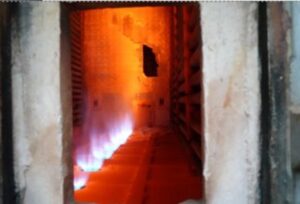
In industrial facilities, a hotspot is often more than a surface issue. It may indicate damage to the internal insulation, refractory, or ceramic fibre lining, creating safety, equipment, and operational risks.
Online Hotspot Repair offers a practical way to assess and repair the affected area while the system remains in operation, helping facilities reduce downtime and control the risk before it escalates.
The Dos That Matter
Do Restrict Access to the Affected Area
When a hotspot is identified, the affected area should be controlled immediately. Restricting access helps reduce unnecessary personnel exposure and creates a safer working environment while the condition is being assessed.
Do Monitor the Hotspot Closely
A hotspot should be monitored carefully to understand how the temperature behaves over time. Temperature changes can indicate whether the condition is stable, worsening, or spreading to nearby areas.
Do Apply Suitable Temporary Cooling Measures
If temporary cooling is required, it should be done using controlled and suitable methods. The purpose is not simply to reduce heat quickly, but to manage the condition safely until the correct repair action can be carried out.
The Don’ts That Matter
Don’t Ignore or Delay Hotspot Assessment
Delaying assessment can allow the condition to become more serious. A hotspot may begin as a localised issue, but if the internal lining continues to deteriorate, the risk of equipment damage and production disruption can increase.
With Online Hotspot Repair, the issue can often be addressed without requiring an unscheduled shutdown, helping the plant avoid unnecessary downtime and loss of availability.
Don’t Cover a Hotspot After It Has Developed
Covering an active hotspot may seem like a quick fix, but it can make the situation worse. If heat is trapped under additional insulation or covering, the affected area may continue to overheat instead of being properly controlled.
Instead of covering the problem, the hotspot should be assessed and repaired using a suitable method that addresses the damaged area directly.
Don’t Use Water or Wet Steam for Rapid Cooling
Rapid cooling using water or wet steam should be avoided because it may cause thermal shock. Sudden temperature changes can damage the refractory or steel wall and may worsen the condition of the affected area.
A safer approach is to use controlled methods, allowing the repair team to determine the right treatment, such as injecting specially formulated compounds into the damaged area to help it cool down and stabilise while the unit remains online.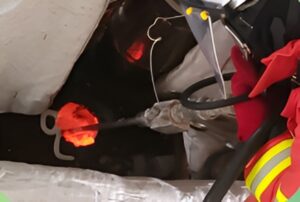
Why the Right Response Matters
Managing a hotspot is not only about reducing visible heat. It is about preventing escalation, protecting plant equipment, and keeping operations stable. KLAY EnerSol’s Online Hotspot Repair service is designed to support this need by allowing repair work to be carried out while the furnace, boiler, or heater remains operational.
For plants where shutdowns can affect availability and profitability, Online Hotspot Repair offers a practical way to manage damaged furnace and boiler linings from the external casing, allowing operations to continue until the next scheduled maintenance window.
Keep Production Moving Safely
A hotspot should be addressed through careful assessment and controlled action. By following the proper dos and avoiding risky mistakes, facilities can reduce safety exposure, protect equipment, and avoid unnecessary disruption.
KLAY EnerSol provides Online Hotspot Repair solutions to help industrial facilities address hotspot issues safely, efficiently, and with minimal impact on production.
Contact KLAY EnerSol to explore the right Online Hotspot Repair approach for your facility.